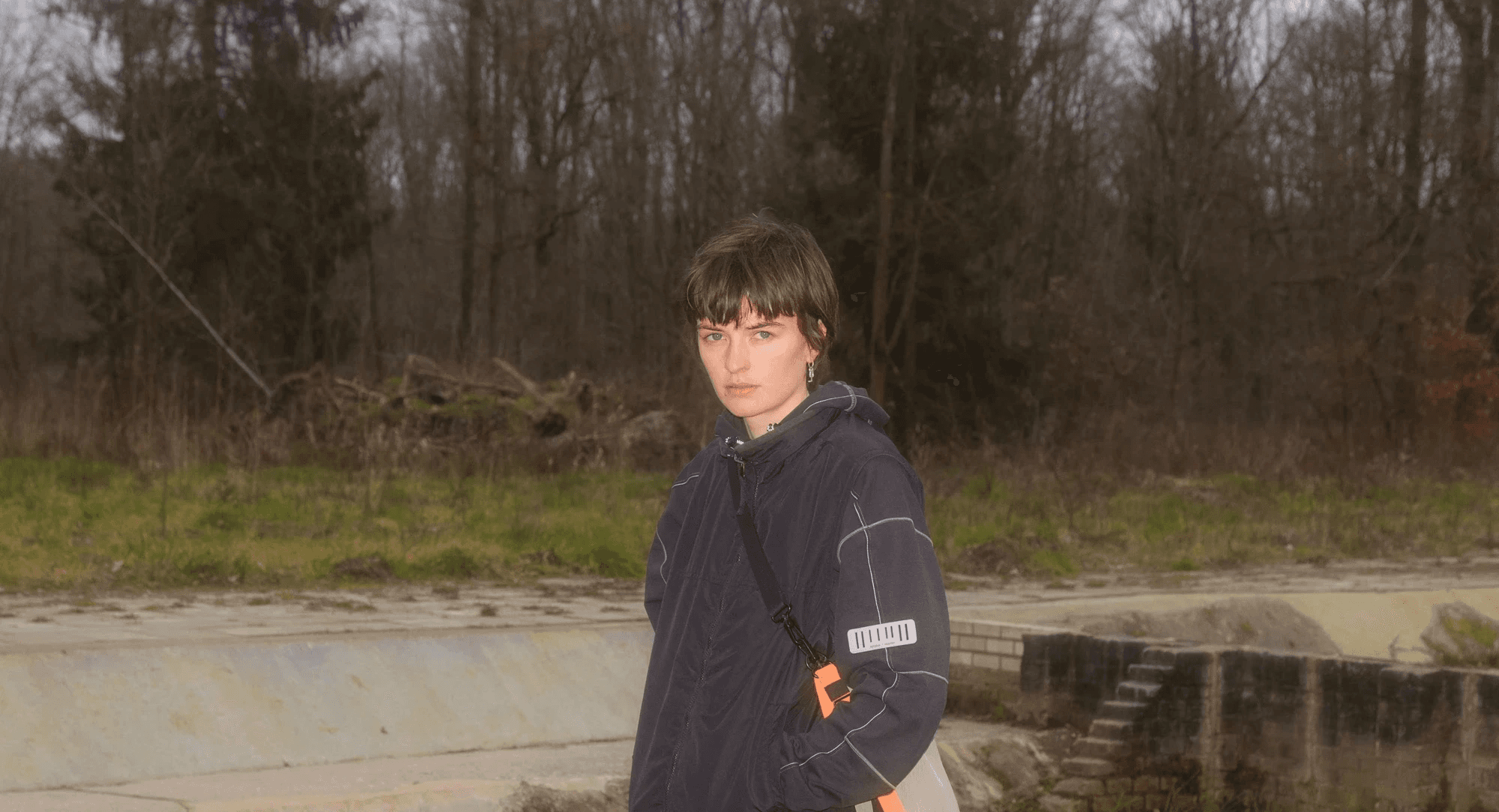
upsammy on microscopic rhythms, virtual worlds, and sound as living material
We recently introduced Sounds, a growing collection of material made by artists we look up to and designed to be explored with the S4.
Today, we continue the series with upsammy, the project of Thessa Torsing: a producer, DJ, and multidisciplinary artist whose work moves through intricate rhythm, crystalline melody, field recording, and the blurred edge between natural and synthetic environments.
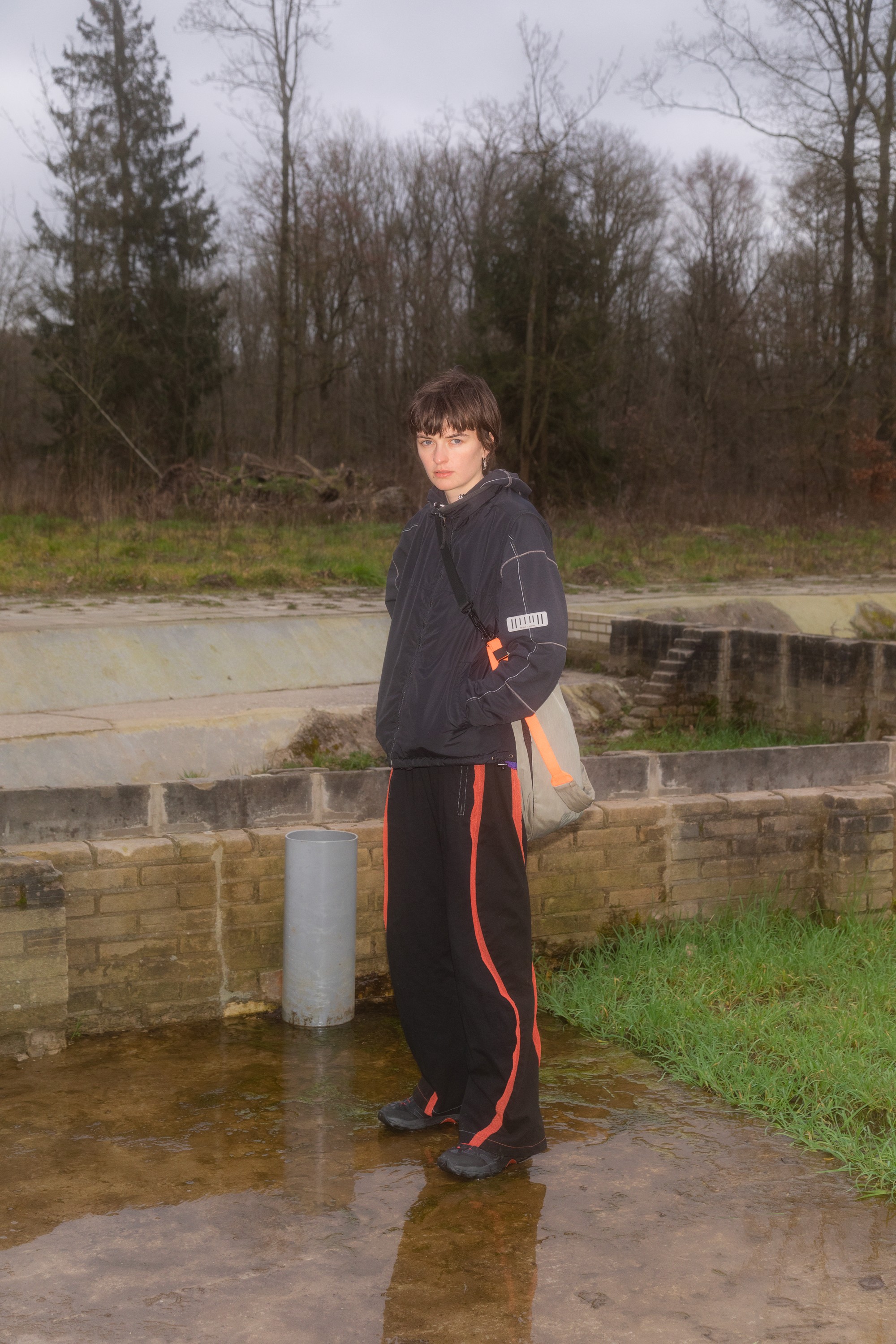
Her new Sounds release, cellular soliloquies, is available now. Built from field recordings, voice, modular synthesis, and Operator sound design, it turns her attention toward small, animated forms: ticks, tones, fragments, pulses, and other close-up movements.
For upsammy, these materials are part of a wider practice of translating physical surroundings into imagined spaces. Her music often feels both organic and digital, grounded in the textures of the world around her while pointing toward places that are less fixed, less familiar, and more open to transformation.
“I wanted to play with more microscopic, rhythmic, transient rich sounds as opposed to pads,” she explains. “I decided to take inspiration from things at cellular level, not purely scientific but in a playful way.”
A close-up way of listening
upsammy’s work often begins with detail. A small movement, a rhythmic flicker, a fragment of a recording, or a bright melodic tone can become the basis for a larger space.
With cellular soliloquies, that sense of scale became especially important. Rather than approaching the material through broad atmospheric gestures, she focused on sounds that feel fast, close, and tactile. The title came from an interest in cellular activity, not as a scientific subject to illustrate, but as a way of imagining tiny systems in motion.
The sounds are organized around this language of small forms: melodic strands, utterings, nodes, spiking cycles, and plasmatic loops. These names suggest living material, but they also describe a way of listening. Each sound is treated less as a finished object than as something active, something that can pulse, speak, branch, or shift.
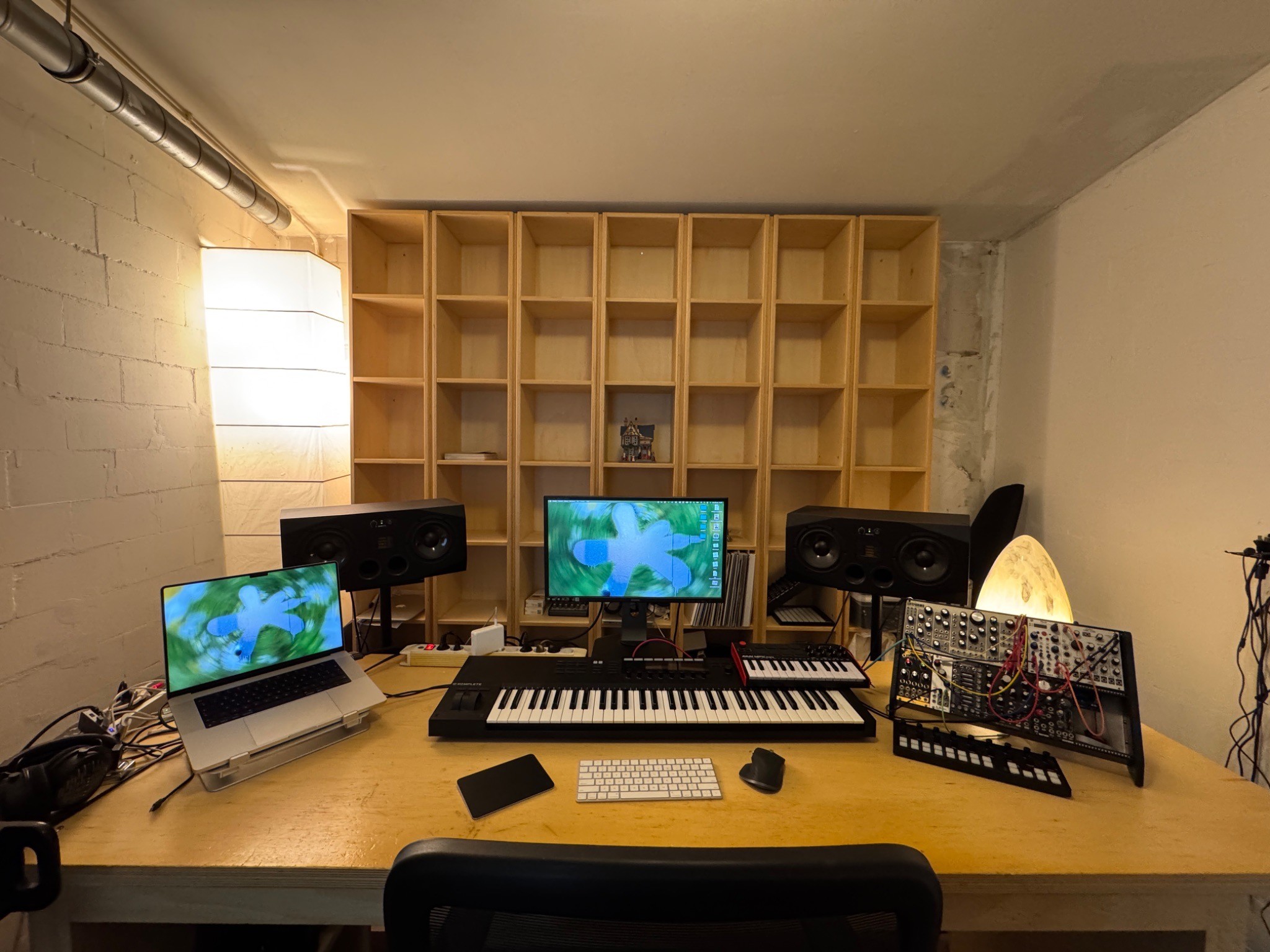
Her process brought together several sources. She used Operator in Ableton, her voice, modular synthesis, and edited field recordings. The contrast between these materials is central to the work. Some sounds begin as precise digital tones. Others carry traces of the body, the room, or the outside world. Once placed together, they form a miniature environment of quick attacks, tuned fragments, and small rhythmic events.
Operator became one of the main tools for creating the chime-like melodic material. upsammy describes a simple starting point, followed by gradual adjustment.
“Regarding the Operator plugin in Ableton, I always like to start with one oscillator and add a couple more, tweaking their waveforms until I get the sound I like, usually I go for sounds with a fast attack, hence the chime-y melodic sounds in the pack.”
That preference for fast attack gives the material a sense of immediacy. The sounds do not slowly emerge. They appear, strike, scatter, and move on. They feel small, but not static. Their detail creates movement.
Voice, rhythm, and edited recordings
Although much of upsammy’s work moves through electronic processes, it remains closely tied to physical surroundings. Her practice often begins with what is around her, then shifts those impressions into a different kind of space.
“I often take inspiration from my physical surroundings and translate them into sound. I feel sound has the ability to transport you to different places that are normally not accessible but also to mimic certain materials. It can project some sort of virtual world where more things are possible then in real life.”
This idea of translation runs through her music:
A recording does not need to remain a document of where it came from.
A natural texture can become something synthetic.
A digital sound can start to feel organic. A small rhythmic pattern can suggest a moving landscape.
In her wider practice, this sits alongside her work with photography and video. Torsing studied Image and Media Technology at the Utrecht University of the Arts, and her interest in rhythm, vibration, and environment extends across different forms. Sound is one way of approaching these interactions, but not the only one.
In cellular soliloquies, that relationship between environment and transformation appears in the treatment of voice and field recordings. For the voice loops, upsammy used a vocal sample she had recorded earlier in a forest, retuning it for each loop until it became more melodic.
The voice remains connected to a place and a body, but it is moved away from direct expression. It becomes a strand inside a larger system, closer to texture or movement than language.
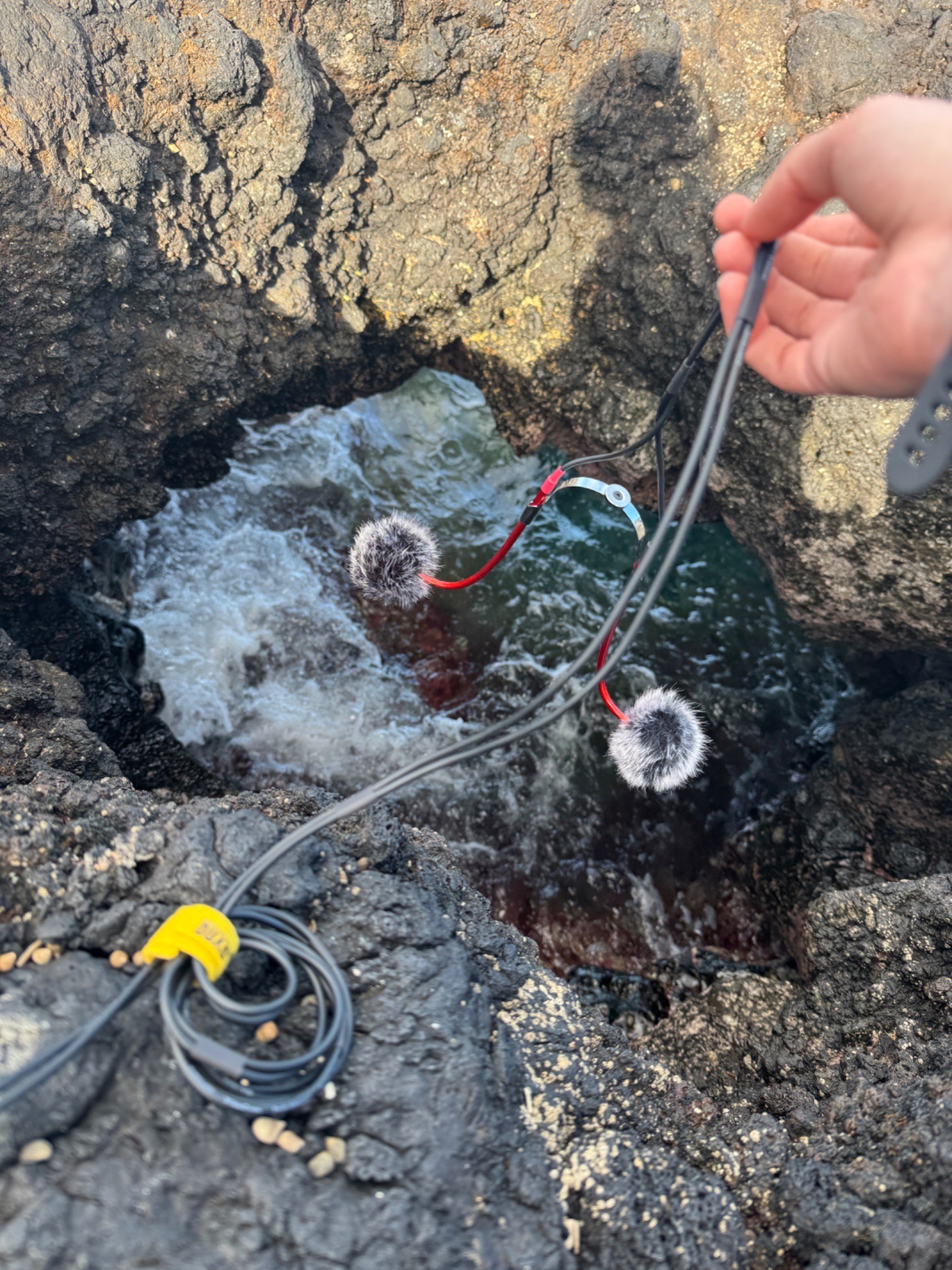
The field recordings were approached in a similar way. She used recordings at different speeds and combined them in Ableton using take lanes, selecting fragments from different channels and letting them form new sequences.
“For the field recordings I used a lot of different recordings at different speeds and combined them by using the take lanes functionality in Ableton, grabbing the nice bits from every recording. In this way you can quickly create a sequence of different sounds from different audio channels. This is a method I use a lot in my music.”
The method is practical, but it reveals a lot about how she works. Field recordings are not treated as fixed backgrounds. They are cut, shifted, recombined, and placed into motion. The environment becomes material for building something else.
Worlds made from small details
upsammy’s music often holds a tension between small details and larger imagined spaces. A tiny sound can suggest a place. A rhythm can feel like a terrain. A fragment can become the beginning of a world.
The rhythmic parts in cellular soliloquies came from an After Later Audio Resonate module, sequenced with the T1. These elements bring a different kind of movement into the material: not rhythm as a fixed grid, but rhythm as cycles, pulses, and animated patterns.
This sits close to the way upsammy’s productions and live shows often move. Her work can feel fluid and precise at the same time, with micro textures and field recordings forming spaces that shift between inner and outer environments. The natural and synthetic are not treated as opposites. They blur into one another.
When she made the demos for cellular soliloquies, upsammy was struck by how each sound opened into its own space.
“I was quite excited to hear how the sounds came together when I created the sound demo’s for this pack, each of them is really their own world, they could work well as the soundtrack to a videogame. I am curious how others will interpret these sounds.”
That curiosity points to something important in her practice. The sounds may come from specific tools and recordings, but they are not closed around their origins. A retuned voice, a modular rhythm, a chime-like tone, or a rearranged field recording can all move into new contexts. They can become part of another composition, another atmosphere, another imagined environment.
This openness connects back to her idea of sound as transport. It can mimic materials, suggest inaccessible places, and create a virtual world where ordinary limits start to loosen. In upsammy’s work, detail is not only detail. It is a way in.
About upsammy
upsammy is the project of Thessa Torsing, a producer, DJ, and multidisciplinary artist based in the Netherlands.
Her work explores intricate rhythm, crystalline melody, field recordings, and the shifting boundary between synthetic and natural environments. Alongside music, she works with photography and video, extending her interest in the rhythms and vibrational qualities of her surroundings across different forms.
Since 2017, Torsing has released music on labels including Nous’klaer Audio, AD93, Die Orakel, PAN, Dekmantel, and topo2. Her albums include Wild Chamber, Zoom, Germ in a Population of Buildings, and Strange Meridians.

