IDRA on sound, space, and transformation
We recently introduced Sounds, a growing collection of material made by artists we look up to and designed to be explored with the S4.
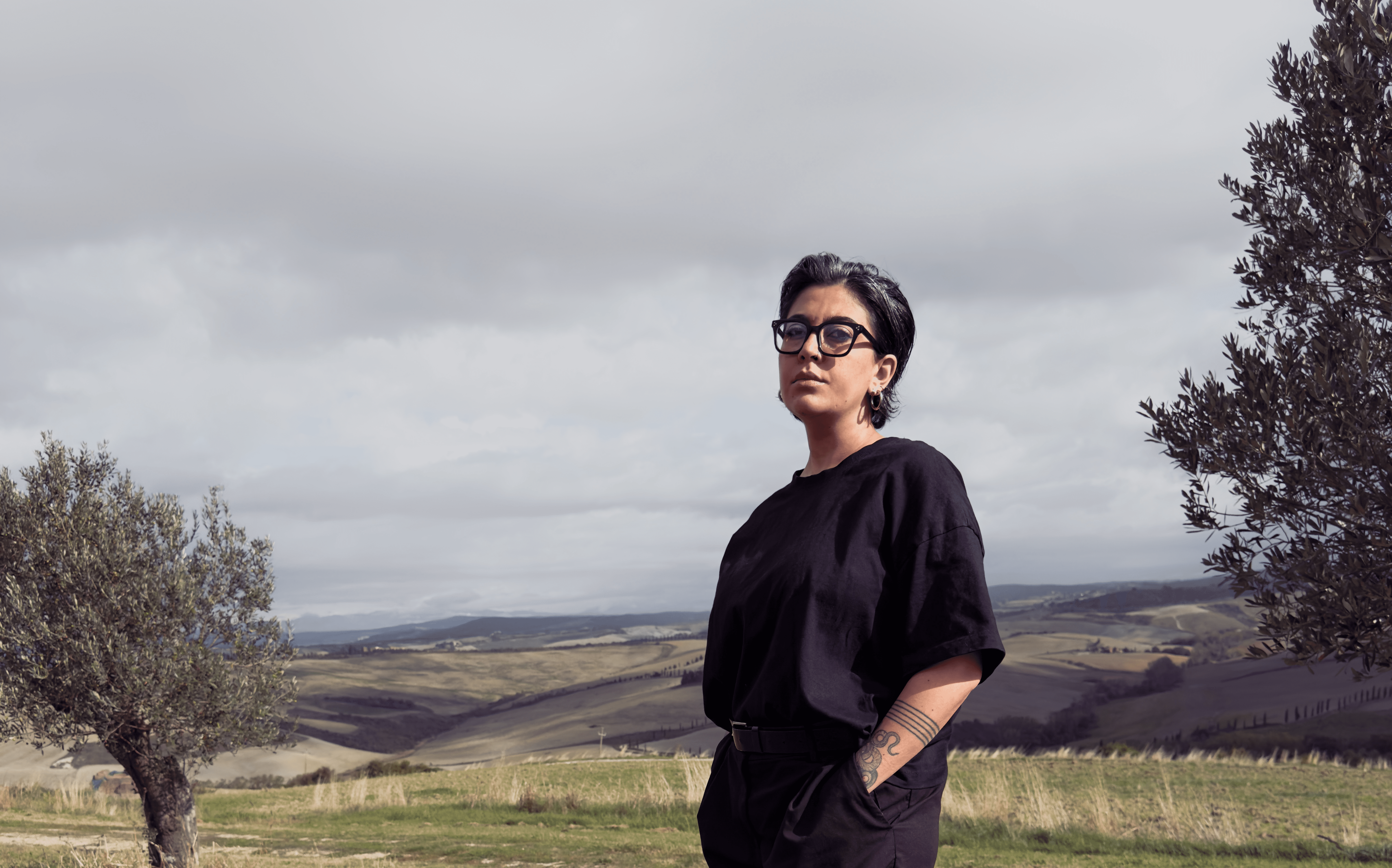
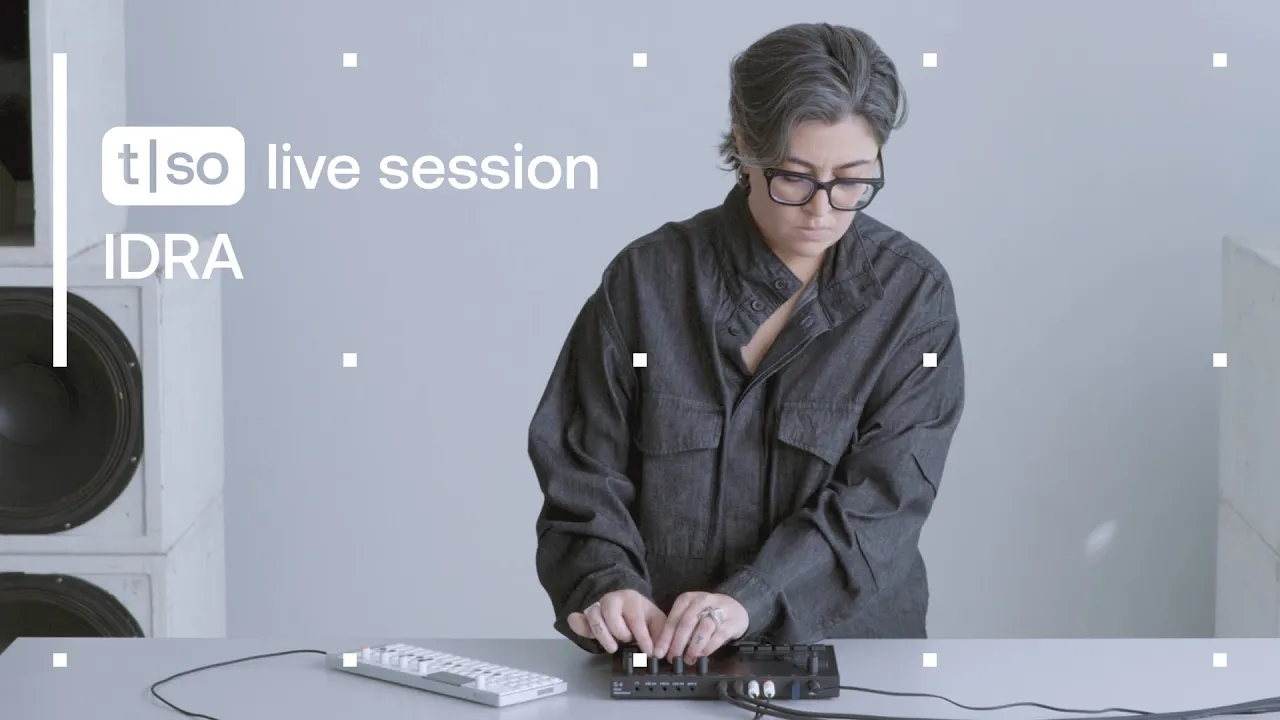
Today, we’re beginning a series of deeper looks into the people behind these sounds, starting with IDRA: the project of Francesca Pavesi, a musician, producer, and sound artist from Milan.
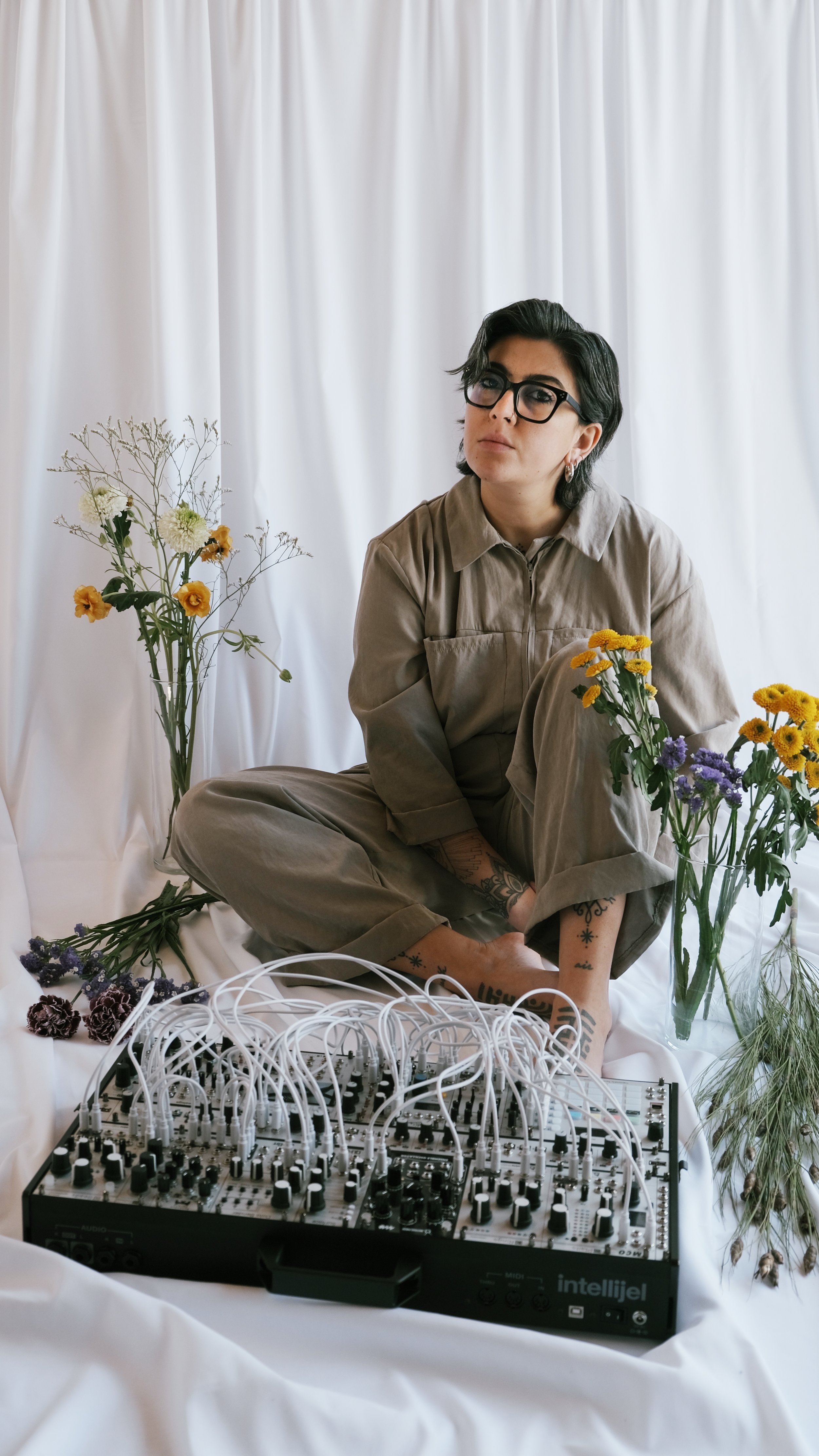
Her work moves through ambient and experimental electronic music, where organic textures, modular synthesis, acoustic elements, and environmental details move into focused, atmospheric forms.
For IDRA, music begins with attention. Her practice is guided by focused listening, small movements, and a sense of time stretching out. Rather than forcing sound into fixed structures, she often starts from fragments: a tone, a recording, a gesture, a texture. From there, the work unfolds slowly.
“ambient soundscapes was created as a way to gather my sound practice into one place, using the S4 as a container,” she explains. “I approached the pack through the same idea that makes S4 so interesting to me: the possibility of building complex structures from very simple sounds.”
A day in the studio
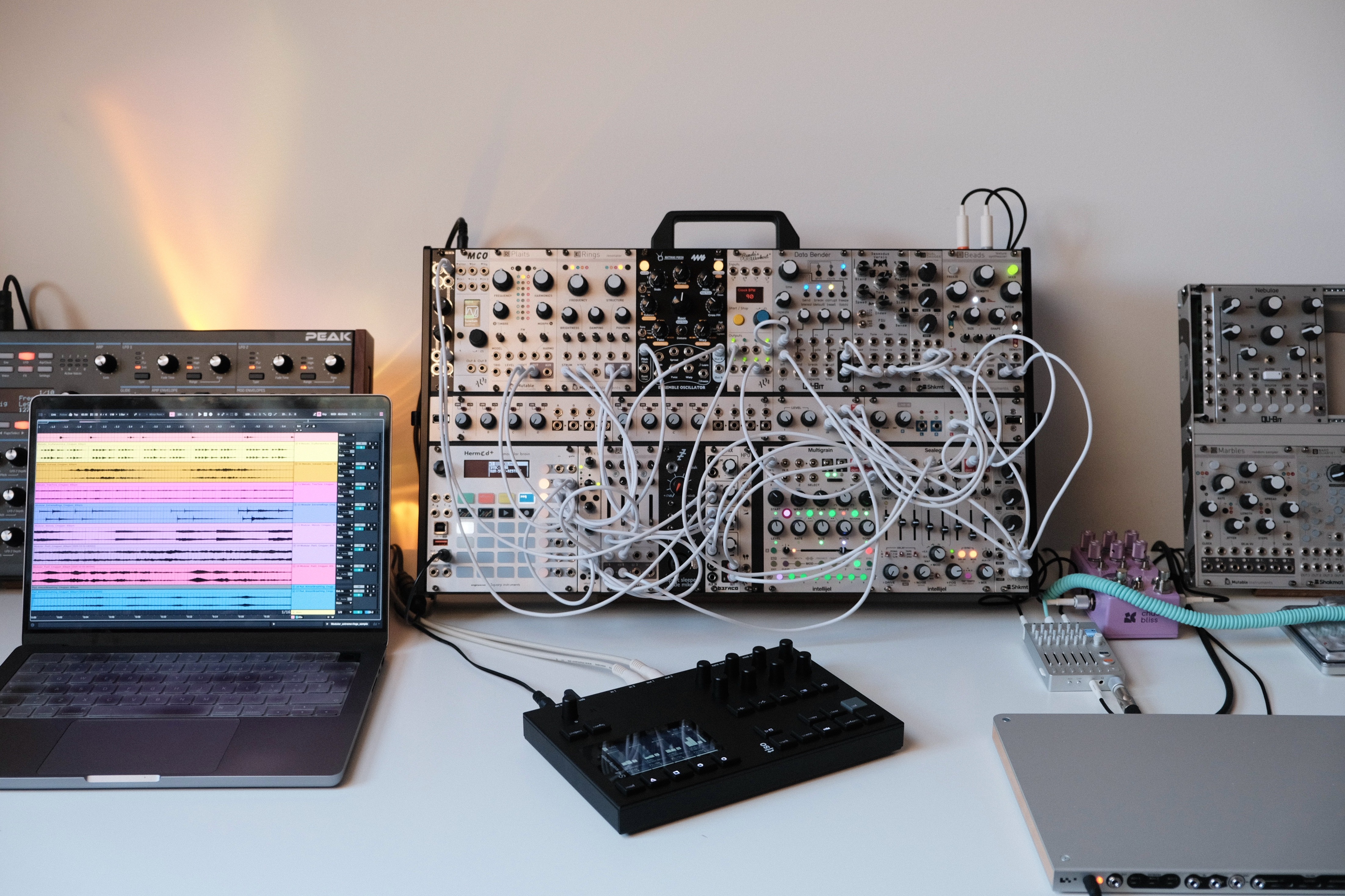
IDRA describes her studio process as open-ended. She turns everything on, sits down, and begins recording small fragments without always knowing where they will lead.
Her modular system is central to that process, alongside Teenage Engineering OP-1, KOMA Elektronik Chromaplane, Clank Uranograph, Expressive E Osmose, Novation Peak, Novation Summit, Sonicware ELZ_1, and the upright piano in her studio.
These instruments are not treated as separate voices, but as parts of the same environment. They create a space where repetition, listening, and small changes become compositional tools.
The result is a practice built around transformation. A simple tone can become a layered form. A small recording can open into an atmosphere. A fragment can hold enough movement to become the beginning of something larger.
Controlled and accidental sounds
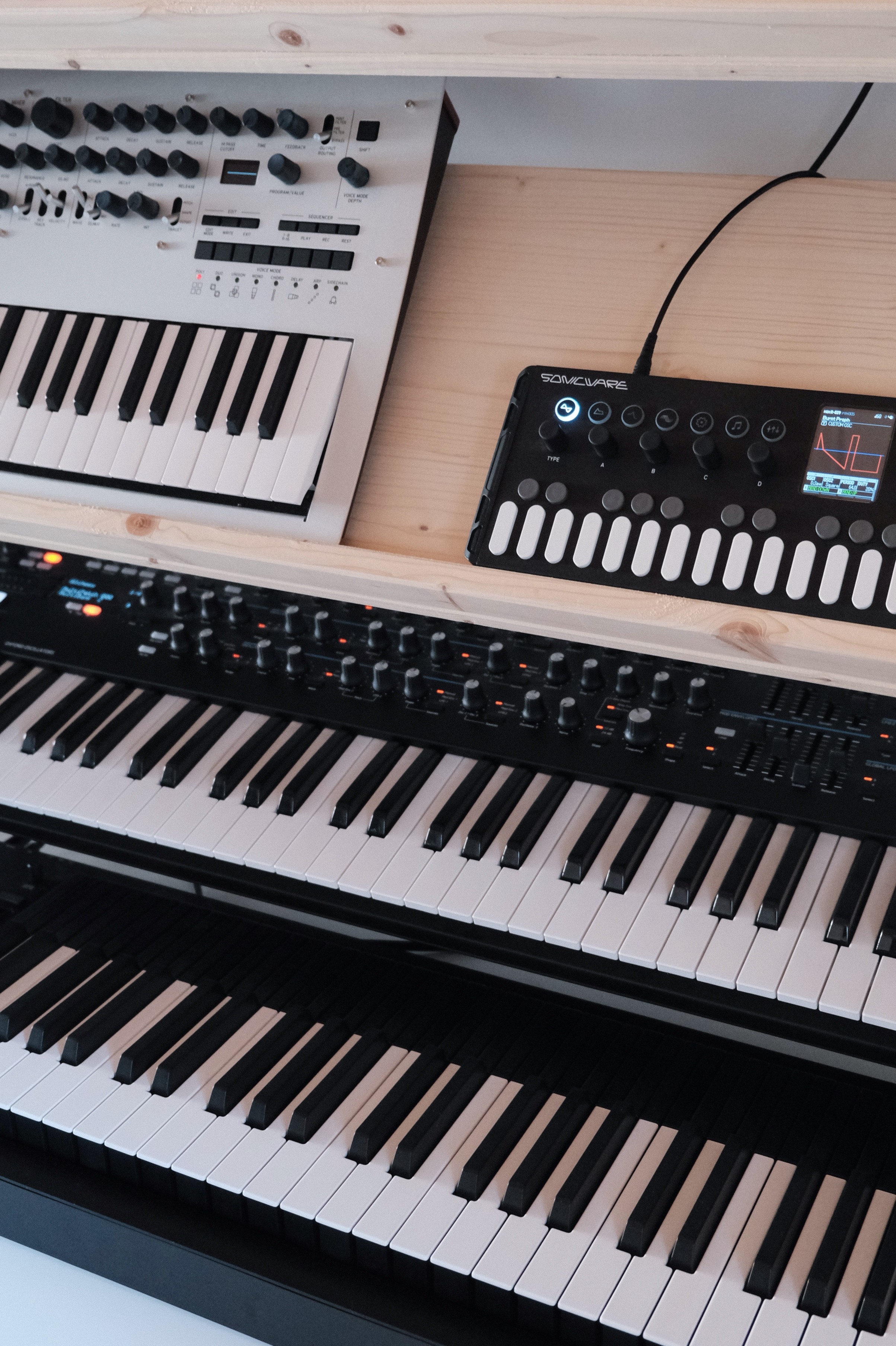
Alongside synthesizers, modular patches, and acoustic sources, IDRA records smaller environmental details: ice melting in a glass, electromagnetic interference captured through Chromaplane pickups, and quiet traces from the room around her.
These details sit close to the center of her work.
“The combination of synthetic sources and very small environmental details probably represents my approach the most,” she says. “I’m interested in sounds that move between something controlled and something accidental.”
That movement between intention and accident gives her music its tension. A sound can feel precise, but still carry the instability of a room. An interruption can become something to listen into, rather than something to remove.
In IDRA’s work, atmosphere is not only built from large gestures. It comes from small things being given enough time and space to reveal themselves.
Sound as open material
IDRA is interested in sounds that can change identity. A single tone, loop, or fragment can move far away from where it began, depending on how it is stretched, layered, processed, or heard.
Realizing how different these sounds could become in someone else’s hands pointed to something central in IDRA’s practice: sound is never fully fixed. It keeps moving through context, perception, and use.
“With these sounds, but also with any sound, I think it’s important to spend time understanding its shape and discovering how many different characters it can take on,” she says.
That idea sits at the center of her work: listening closely enough for a sound to change. A studio practice becomes a way of staying with material long enough for it to become something else.
About IDRA
IDRA is the project of Francesca Pavesi, a musician, producer, and sound artist from Milan.
Her work explores the intersection of ambient and experimental electronic music, where organic textures, modular synthesis, and acoustic elements merge into immersive sonic worlds. Guided by attentive listening, she uses sound as a space for introspection, focus, and a sense of timelessness.
Follow IDRA here.

